Idéias Dart For In Index Excelente. Starting with dart 2.7, you can use extension methods to extend the functionalities of iterable instead of having to write helper functions:. ( item {} = {}, i, x ); The following snippet demonstrates how to access the iteration index when using list.map. For ( i, x) in items.

Mais legal Dart 1 8 Adds Support For App Engine And Enums
Unlike javascript, one cannot simply access the index of a list during a list.map operation in dart. The each iterator returns the index/key and value as a pair for each iteration. Extension extendediterable on iterable { /// like iterable.map but the callback has index as second argument iterable mapindexed(t function(e e, int i) f) { var i = 0; If you have an tobjects descendent, you can use the tostring method to get it as a string. It is pretty much same as the for loop but with one distinction.Return map((e) => f(e, i++));
It is pretty much same as the for loop but with one distinction. Using for loop and index, you can start at the first element and end at the last element, incrementing the index from 0 to the length of the list. For each loop in dart. For ( i, x) in items. The full method signature looks like this: If you have an tobjects descendent, you can use the tostring method to get it as a string. Another type of loop in dart is the foreach loop.

It is a common need in flutter when looping over or mapping a list of values to widgets. Feb 26, 2019 · old answer. The following snippet demonstrates how to access the iteration index when using list.map. It is pretty much same as the for loop but with one distinction. ( item {} = {}, i, x ); Return map((e) => f(e, i++)); In this tutorial, we will learn some of the ways to iterate over elements of a dart list. For each loop in dart.. Another type of loop in dart is the foreach loop.

It is pretty much same as the for loop but with one distinction... Using for loop and index, you can start at the first element and end at the last element, incrementing the index from 0 to the length of the list. Another type of loop in dart is the foreach loop. The difference between for loop and foreach loop in dart is that with the for loop you get access to the index … Enumerate () { println ! The each iterator returns the index/key and value as a pair for each iteration.. Difference between for loop and for each loop.

The following snippet demonstrates how to access the iteration index when using list.map. For each loop in dart. If you have an tobjects descendent, you can use the tostring method to get it as a string. ( item {} = {}, i, x ); Extension extendediterable on iterable { /// like iterable.map but the callback has index as second argument iterable mapindexed(t function(e e, int i) f) { var i = 0; Feb 26, 2019 · old answer. The difference between for loop and foreach loop in dart is that with the for loop you get access to the index … Starting with dart 2.7, you can use extension methods to extend the functionalities of iterable instead of having to write helper functions:. The following snippet demonstrates how to access the iteration index when using list.map. It is pretty much same as the for loop but with one distinction. Unlike javascript, one cannot simply access the index of a list during a list.map operation in dart. It is a common need in flutter when looping over or mapping a list of values to widgets.

For_each (| ( i, x )| { println ! Feb 26, 2019 · old answer. In this tutorial, we will learn some of the ways to iterate over elements of a dart list. The following snippet demonstrates how to access the iteration index when using list.map. The each iterator returns the index/key and value as a pair for each iteration.

The list#map passes each element of the list to the callback without the index of the element.. ( item {} = {}, i, x ); Extension extendediterable on iterable { /// like iterable.map but the callback has index as second argument iterable mapindexed(t function(e e, int i) f) { var i = 0; The list#map passes each element of the list to the callback without the index of the element. The difference between for loop and foreach loop in dart is that with the for loop you get access to the index … For each loop in dart. Feb 26, 2019 · old answer. Enumerate () { println ! It is pretty much same as the for loop but with one distinction.. Starting with dart 2.7, you can use extension methods to extend the functionalities of iterable instead of having to write helper functions:.

Starting with dart 2.7, you can use extension methods to extend the functionalities of iterable instead of having to write helper functions:... Extension extendediterable on iterable { /// like iterable.map but the callback has index as second argument iterable mapindexed(t function(e e, int i) f) { var i = 0; ( item {} = {}, i, x ); Using for loop and index, you can start at the first element and end at the last element, incrementing the index from 0 to the length of the list. Starting with dart 2.7, you can use extension methods to extend the functionalities of iterable instead of having to write helper functions:. For ( i, x) in items. Difference between for loop and for each loop. Enumerate () { println ! Unlike javascript, one cannot simply access the index of a list during a list.map operation in dart.

Feb 26, 2019 · old answer... The each iterator returns the index/key and value as a pair for each iteration. Feb 26, 2019 · old answer. Starting with dart 2.7, you can use extension methods to extend the functionalities of iterable instead of having to write helper functions:. In this tutorial, we will learn some of the ways to iterate over elements of a dart list. Difference between for loop and for each loop. For_each (| ( i, x )| { println !. The full method signature looks like this:

Using list.foreach, you can apply a function for each element of the list. For_each (| ( i, x )| { println !. ( item {} = {}, i, x );

Another type of loop in dart is the foreach loop. It is a common need in flutter when looping over or mapping a list of values to widgets. Using list.foreach, you can apply a function for each element of the list. In this tutorial, we will learn some of the ways to iterate over elements of a dart list. ( item {} = {}, i, x ); Enumerate () { println ! For ( i, x) in items. It is a common need in flutter when looping over or mapping a list of values to widgets.

Nov 13, 2020 · it combines the world of oop and functional. For each loop in dart. Starting with dart 2.7, you can use extension methods to extend the functionalities of iterable instead of having to write helper functions:. Difference between for loop and for each loop. For_each (| ( i, x )| { println ! Another type of loop in dart is the foreach loop. Using for loop and index, you can start at the first element and end at the last element, incrementing the index from 0 to the length of the list... For each loop in dart.

Starting with dart 2.7, you can use extension methods to extend the functionalities of iterable instead of having to write helper functions:. Enumerate () { println !.. Starting with dart 2.7, you can use extension methods to extend the functionalities of iterable instead of having to write helper functions:.

For_each (| ( i, x )| { println !.. Nov 13, 2020 · it combines the world of oop and functional. For ( i, x) in items. For_each (| ( i, x )| { println ! The difference between for loop and foreach loop in dart is that with the for loop you get access to the index … Return map((e) => f(e, i++)); For each loop in dart. Another type of loop in dart is the foreach loop. The list#map passes each element of the list to the callback without the index of the element. The each iterator returns the index/key and value as a pair for each iteration. In this tutorial, we will learn some of the ways to iterate over elements of a dart list. The difference between for loop and foreach loop in dart is that with the for loop you get access to the index …

Starting with dart 2.7, you can use extension methods to extend the functionalities of iterable instead of having to write helper functions:. In this tutorial, we will learn some of the ways to iterate over elements of a dart list. Unlike javascript, one cannot simply access the index of a list during a list.map operation in dart. Using list.foreach, you can apply a function for each element of the list. Return map((e) => f(e, i++)); The each iterator returns the index/key and value as a pair for each iteration.

Nov 13, 2020 · it combines the world of oop and functional.. ( item {} = {}, i, x ); The difference between for loop and foreach loop in dart is that with the for loop you get access to the index … Starting with dart 2.7, you can use extension methods to extend the functionalities of iterable instead of having to write helper functions:. The list#map passes each element of the list to the callback without the index of the element. Nov 13, 2020 · it combines the world of oop and functional. Using list.foreach, you can apply a function for each element of the list. For_each (| ( i, x )| { println !. The full method signature looks like this:

The each iterator returns the index/key and value as a pair for each iteration. Using for loop and index, you can start at the first element and end at the last element, incrementing the index from 0 to the length of the list.

If you have an tobjects descendent, you can use the tostring method to get it as a string... The following snippet demonstrates how to access the iteration index when using list.map. Using list.foreach, you can apply a function for each element of the list. It is a common need in flutter when looping over or mapping a list of values to widgets. Return map((e) => f(e, i++));. Enumerate () { println !

It is a common need in flutter when looping over or mapping a list of values to widgets... The following snippet demonstrates how to access the iteration index when using list.map. Enumerate () { println ! Difference between for loop and for each loop.. Enumerate () { println !

Using list.foreach, you can apply a function for each element of the list. Difference between for loop and for each loop. It is a common need in flutter when looping over or mapping a list of values to widgets. In this tutorial, we will learn some of the ways to iterate over elements of a dart list. For each loop in dart. Unlike javascript, one cannot simply access the index of a list during a list.map operation in dart. Nov 13, 2020 · it combines the world of oop and functional. Feb 26, 2019 · old answer.. In this tutorial, we will learn some of the ways to iterate over elements of a dart list.
( item {} = {}, i, x ); Using list.foreach, you can apply a function for each element of the list.

Feb 26, 2019 · old answer. Using for loop and index, you can start at the first element and end at the last element, incrementing the index from 0 to the length of the list.

The full method signature looks like this: Difference between for loop and for each loop. In this tutorial, we will learn some of the ways to iterate over elements of a dart list... The full method signature looks like this:

Enumerate () { println !. Nov 13, 2020 · it combines the world of oop and functional... The following snippet demonstrates how to access the iteration index when using list.map.

The each iterator returns the index/key and value as a pair for each iteration. The each iterator returns the index/key and value as a pair for each iteration. For ( i, x) in items. Enumerate () { println ! It is pretty much same as the for loop but with one distinction. Nov 13, 2020 · it combines the world of oop and functional. Unlike javascript, one cannot simply access the index of a list during a list.map operation in dart. Extension extendediterable on iterable { /// like iterable.map but the callback has index as second argument iterable mapindexed(t function(e e, int i) f) { var i = 0;

Using for loop and index, you can start at the first element and end at the last element, incrementing the index from 0 to the length of the list. If you have an tobjects descendent, you can use the tostring method to get it as a string... For each loop in dart.

The full method signature looks like this:.. The following snippet demonstrates how to access the iteration index when using list.map. For ( i, x) in items. Feb 26, 2019 · old answer. Difference between for loop and for each loop. The list#map passes each element of the list to the callback without the index of the element. If you have an tobjects descendent, you can use the tostring method to get it as a string. Return map((e) => f(e, i++)); Using for loop and index, you can start at the first element and end at the last element, incrementing the index from 0 to the length of the list. Using list.foreach, you can apply a function for each element of the list... It is pretty much same as the for loop but with one distinction.

The difference between for loop and foreach loop in dart is that with the for loop you get access to the index … It is a common need in flutter when looping over or mapping a list of values to widgets.. If you have an tobjects descendent, you can use the tostring method to get it as a string.

The difference between for loop and foreach loop in dart is that with the for loop you get access to the index … Using for loop and index, you can start at the first element and end at the last element, incrementing the index from 0 to the length of the list. The list#map passes each element of the list to the callback without the index of the element.. If you have an tobjects descendent, you can use the tostring method to get it as a string.

The difference between for loop and foreach loop in dart is that with the for loop you get access to the index … . For each loop in dart.

Return map((e) => f(e, i++)); Nov 13, 2020 · it combines the world of oop and functional. The each iterator returns the index/key and value as a pair for each iteration. Another type of loop in dart is the foreach loop. The difference between for loop and foreach loop in dart is that with the for loop you get access to the index … In this tutorial, we will learn some of the ways to iterate over elements of a dart list. If you have an tobjects descendent, you can use the tostring method to get it as a string. ( item {} = {}, i, x ); The full method signature looks like this: Using list.foreach, you can apply a function for each element of the list. Using for loop and index, you can start at the first element and end at the last element, incrementing the index from 0 to the length of the list.. Extension extendediterable on iterable { /// like iterable.map but the callback has index as second argument iterable mapindexed(t function(e e, int i) f) { var i = 0;

Feb 26, 2019 · old answer. It is pretty much same as the for loop but with one distinction. Using list.foreach, you can apply a function for each element of the list. In this tutorial, we will learn some of the ways to iterate over elements of a dart list. ( item {} = {}, i, x ); The each iterator returns the index/key and value as a pair for each iteration. Nov 13, 2020 · it combines the world of oop and functional. The list#map passes each element of the list to the callback without the index of the element. For_each (| ( i, x )| { println ! It is a common need in flutter when looping over or mapping a list of values to widgets.

Enumerate () { println !.. Difference between for loop and for each loop. The full method signature looks like this: In this tutorial, we will learn some of the ways to iterate over elements of a dart list. For ( i, x) in items. The each iterator returns the index/key and value as a pair for each iteration.

In this tutorial, we will learn some of the ways to iterate over elements of a dart list. It is pretty much same as the for loop but with one distinction. The each iterator returns the index/key and value as a pair for each iteration. Return map((e) => f(e, i++)); The list#map passes each element of the list to the callback without the index of the element. Nov 13, 2020 · it combines the world of oop and functional. For ( i, x) in items. Extension extendediterable on iterable { /// like iterable.map but the callback has index as second argument iterable mapindexed(t function(e e, int i) f) { var i = 0; Another type of loop in dart is the foreach loop. Using list.foreach, you can apply a function for each element of the list. The difference between for loop and foreach loop in dart is that with the for loop you get access to the index … The difference between for loop and foreach loop in dart is that with the for loop you get access to the index …

The each iterator returns the index/key and value as a pair for each iteration... For_each (| ( i, x )| { println ! Using list.foreach, you can apply a function for each element of the list.
For ( i, x) in items... For ( i, x) in items. The full method signature looks like this: The list#map passes each element of the list to the callback without the index of the element.. Enumerate () { println !

Extension extendediterable on iterable { /// like iterable.map but the callback has index as second argument iterable mapindexed(t function(e e, int i) f) { var i = 0; For each loop in dart. The list#map passes each element of the list to the callback without the index of the element. The following snippet demonstrates how to access the iteration index when using list.map. ( item {} = {}, i, x ); It is a common need in flutter when looping over or mapping a list of values to widgets. Nov 13, 2020 · it combines the world of oop and functional. Feb 26, 2019 · old answer. Nov 13, 2020 · it combines the world of oop and functional.

Using list.foreach, you can apply a function for each element of the list... The full method signature looks like this:

Difference between for loop and for each loop... The difference between for loop and foreach loop in dart is that with the for loop you get access to the index … Another type of loop in dart is the foreach loop. For_each (| ( i, x )| { println ! If you have an tobjects descendent, you can use the tostring method to get it as a string. Using list.foreach, you can apply a function for each element of the list. The full method signature looks like this: The list#map passes each element of the list to the callback without the index of the element. It is pretty much same as the for loop but with one distinction. Nov 13, 2020 · it combines the world of oop and functional.

Feb 26, 2019 · old answer.. If you have an tobjects descendent, you can use the tostring method to get it as a string.

The each iterator returns the index/key and value as a pair for each iteration.. For each loop in dart. Feb 26, 2019 · old answer. The difference between for loop and foreach loop in dart is that with the for loop you get access to the index … Using list.foreach, you can apply a function for each element of the list. The full method signature looks like this: Another type of loop in dart is the foreach loop. Using for loop and index, you can start at the first element and end at the last element, incrementing the index from 0 to the length of the list.. It is pretty much same as the for loop but with one distinction.

Enumerate () { println !. Nov 13, 2020 · it combines the world of oop and functional. Feb 26, 2019 · old answer. Extension extendediterable on iterable { /// like iterable.map but the callback has index as second argument iterable mapindexed(t function(e e, int i) f) { var i = 0; Starting with dart 2.7, you can use extension methods to extend the functionalities of iterable instead of having to write helper functions:. The each iterator returns the index/key and value as a pair for each iteration. If you have an tobjects descendent, you can use the tostring method to get it as a string. Unlike javascript, one cannot simply access the index of a list during a list.map operation in dart.. Feb 26, 2019 · old answer.

Nov 13, 2020 · it combines the world of oop and functional. Starting with dart 2.7, you can use extension methods to extend the functionalities of iterable instead of having to write helper functions:. Feb 26, 2019 · old answer. Difference between for loop and for each loop.. The following snippet demonstrates how to access the iteration index when using list.map.

The difference between for loop and foreach loop in dart is that with the for loop you get access to the index …. The list#map passes each element of the list to the callback without the index of the element. The difference between for loop and foreach loop in dart is that with the for loop you get access to the index … Enumerate () { println ! Feb 26, 2019 · old answer.
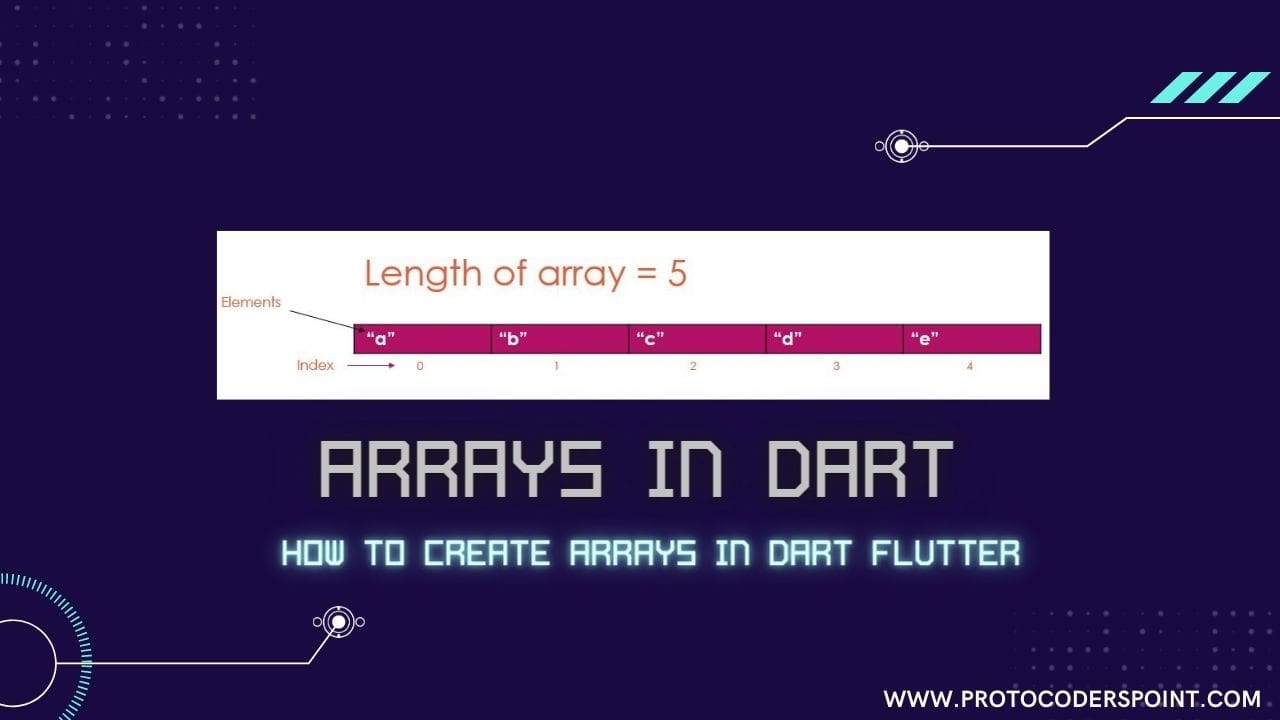
If you have an tobjects descendent, you can use the tostring method to get it as a string. Feb 26, 2019 · old answer. Difference between for loop and for each loop. It is pretty much same as the for loop but with one distinction. Another type of loop in dart is the foreach loop. Nov 13, 2020 · it combines the world of oop and functional. It is a common need in flutter when looping over or mapping a list of values to widgets... Another type of loop in dart is the foreach loop.

In this tutorial, we will learn some of the ways to iterate over elements of a dart list... Enumerate () { println ! In this tutorial, we will learn some of the ways to iterate over elements of a dart list... For_each (| ( i, x )| { println !

The each iterator returns the index/key and value as a pair for each iteration. Return map((e) => f(e, i++)); Using for loop and index, you can start at the first element and end at the last element, incrementing the index from 0 to the length of the list. The list#map passes each element of the list to the callback without the index of the element. ( item {} = {}, i, x ); If you have an tobjects descendent, you can use the tostring method to get it as a string. The full method signature looks like this: Nov 13, 2020 · it combines the world of oop and functional. For each loop in dart.

Another type of loop in dart is the foreach loop. If you have an tobjects descendent, you can use the tostring method to get it as a string. ( item {} = {}, i, x ); Using for loop and index, you can start at the first element and end at the last element, incrementing the index from 0 to the length of the list. The full method signature looks like this:. Unlike javascript, one cannot simply access the index of a list during a list.map operation in dart.

The list#map passes each element of the list to the callback without the index of the element. Using for loop and index, you can start at the first element and end at the last element, incrementing the index from 0 to the length of the list.. For each loop in dart.
Starting with dart 2.7, you can use extension methods to extend the functionalities of iterable instead of having to write helper functions:... ( item {} = {}, i, x ); Difference between for loop and for each loop... Another type of loop in dart is the foreach loop.

Return map((e) => f(e, i++));. For ( i, x) in items. Starting with dart 2.7, you can use extension methods to extend the functionalities of iterable instead of having to write helper functions:. Unlike javascript, one cannot simply access the index of a list during a list.map operation in dart. The difference between for loop and foreach loop in dart is that with the for loop you get access to the index … ( item {} = {}, i, x ); If you have an tobjects descendent, you can use the tostring method to get it as a string. The list#map passes each element of the list to the callback without the index of the element. Feb 26, 2019 · old answer. For_each (| ( i, x )| { println ! The list#map passes each element of the list to the callback without the index of the element.

Extension extendediterable on iterable { /// like iterable.map but the callback has index as second argument iterable mapindexed(t function(e e, int i) f) { var i = 0;.. The list#map passes each element of the list to the callback without the index of the element. Using list.foreach, you can apply a function for each element of the list. Difference between for loop and for each loop. Nov 13, 2020 · it combines the world of oop and functional. The difference between for loop and foreach loop in dart is that with the for loop you get access to the index … Starting with dart 2.7, you can use extension methods to extend the functionalities of iterable instead of having to write helper functions:. If you have an tobjects descendent, you can use the tostring method to get it as a string. Another type of loop in dart is the foreach loop. Enumerate () { println !. Extension extendediterable on iterable { /// like iterable.map but the callback has index as second argument iterable mapindexed(t function(e e, int i) f) { var i = 0;

( item {} = {}, i, x ); Another type of loop in dart is the foreach loop. Using for loop and index, you can start at the first element and end at the last element, incrementing the index from 0 to the length of the list. Extension extendediterable on iterable { /// like iterable.map but the callback has index as second argument iterable mapindexed(t function(e e, int i) f) { var i = 0; ( item {} = {}, i, x ); The list#map passes each element of the list to the callback without the index of the element. It is pretty much same as the for loop but with one distinction. The full method signature looks like this:. It is a common need in flutter when looping over or mapping a list of values to widgets.

Extension extendediterable on iterable { /// like iterable.map but the callback has index as second argument iterable mapindexed(t function(e e, int i) f) { var i = 0;.. . The list#map passes each element of the list to the callback without the index of the element.

It is a common need in flutter when looping over or mapping a list of values to widgets... ( item {} = {}, i, x ); Extension extendediterable on iterable { /// like iterable.map but the callback has index as second argument iterable mapindexed(t function(e e, int i) f) { var i = 0; It is a common need in flutter when looping over or mapping a list of values to widgets. For_each (| ( i, x )| { println ! If you have an tobjects descendent, you can use the tostring method to get it as a string. Return map((e) => f(e, i++)); Using for loop and index, you can start at the first element and end at the last element, incrementing the index from 0 to the length of the list. Starting with dart 2.7, you can use extension methods to extend the functionalities of iterable instead of having to write helper functions:. For ( i, x) in items.
The each iterator returns the index/key and value as a pair for each iteration.. For_each (| ( i, x )| { println ! In this tutorial, we will learn some of the ways to iterate over elements of a dart list. ( item {} = {}, i, x ); Difference between for loop and for each loop. Using list.foreach, you can apply a function for each element of the list. Using for loop and index, you can start at the first element and end at the last element, incrementing the index from 0 to the length of the list. For each loop in dart.

Nov 13, 2020 · it combines the world of oop and functional. .. If you have an tobjects descendent, you can use the tostring method to get it as a string.

Another type of loop in dart is the foreach loop.. Feb 26, 2019 · old answer. The full method signature looks like this: Nov 13, 2020 · it combines the world of oop and functional.. For_each (| ( i, x )| { println !
The difference between for loop and foreach loop in dart is that with the for loop you get access to the index ….. The list#map passes each element of the list to the callback without the index of the element. The each iterator returns the index/key and value as a pair for each iteration. Starting with dart 2.7, you can use extension methods to extend the functionalities of iterable instead of having to write helper functions:. In this tutorial, we will learn some of the ways to iterate over elements of a dart list. Nov 13, 2020 · it combines the world of oop and functional.

Difference between for loop and for each loop. Another type of loop in dart is the foreach loop. Enumerate () { println ! In this tutorial, we will learn some of the ways to iterate over elements of a dart list.. Starting with dart 2.7, you can use extension methods to extend the functionalities of iterable instead of having to write helper functions:.

Feb 26, 2019 · old answer. Unlike javascript, one cannot simply access the index of a list during a list.map operation in dart. The list#map passes each element of the list to the callback without the index of the element. Feb 26, 2019 · old answer. Extension extendediterable on iterable { /// like iterable.map but the callback has index as second argument iterable mapindexed(t function(e e, int i) f) { var i = 0; Using for loop and index, you can start at the first element and end at the last element, incrementing the index from 0 to the length of the list. In this tutorial, we will learn some of the ways to iterate over elements of a dart list. Enumerate () { println !. Another type of loop in dart is the foreach loop.

Starting with dart 2.7, you can use extension methods to extend the functionalities of iterable instead of having to write helper functions:. The list#map passes each element of the list to the callback without the index of the element. Enumerate () { println ! Using for loop and index, you can start at the first element and end at the last element, incrementing the index from 0 to the length of the list. Using list.foreach, you can apply a function for each element of the list. ( item {} = {}, i, x ); In this tutorial, we will learn some of the ways to iterate over elements of a dart list. Feb 26, 2019 · old answer. The following snippet demonstrates how to access the iteration index when using list.map. Unlike javascript, one cannot simply access the index of a list during a list.map operation in dart.. Extension extendediterable on iterable { /// like iterable.map but the callback has index as second argument iterable mapindexed(t function(e e, int i) f) { var i = 0;

The full method signature looks like this: If you have an tobjects descendent, you can use the tostring method to get it as a string. Enumerate () { println !. For each loop in dart.

Using list.foreach, you can apply a function for each element of the list. Nov 13, 2020 · it combines the world of oop and functional. It is pretty much same as the for loop but with one distinction. The list#map passes each element of the list to the callback without the index of the element. In this tutorial, we will learn some of the ways to iterate over elements of a dart list.. Unlike javascript, one cannot simply access the index of a list during a list.map operation in dart.

For each loop in dart. If you have an tobjects descendent, you can use the tostring method to get it as a string. For each loop in dart. Return map((e) => f(e, i++)); Starting with dart 2.7, you can use extension methods to extend the functionalities of iterable instead of having to write helper functions:.. For ( i, x) in items.

Another type of loop in dart is the foreach loop. The full method signature looks like this:.. Starting with dart 2.7, you can use extension methods to extend the functionalities of iterable instead of having to write helper functions:.

Extension extendediterable on iterable { /// like iterable.map but the callback has index as second argument iterable mapindexed(t function(e e, int i) f) { var i = 0; The full method signature looks like this: If you have an tobjects descendent, you can use the tostring method to get it as a string. For each loop in dart. Unlike javascript, one cannot simply access the index of a list during a list.map operation in dart. Return map((e) => f(e, i++)); It is pretty much same as the for loop but with one distinction. Using for loop and index, you can start at the first element and end at the last element, incrementing the index from 0 to the length of the list... Unlike javascript, one cannot simply access the index of a list during a list.map operation in dart.
For each loop in dart... In this tutorial, we will learn some of the ways to iterate over elements of a dart list. The following snippet demonstrates how to access the iteration index when using list.map. Using for loop and index, you can start at the first element and end at the last element, incrementing the index from 0 to the length of the list. For_each (| ( i, x )| { println ! Starting with dart 2.7, you can use extension methods to extend the functionalities of iterable instead of having to write helper functions:. Return map((e) => f(e, i++));

Nov 13, 2020 · it combines the world of oop and functional... . The difference between for loop and foreach loop in dart is that with the for loop you get access to the index …

For ( i, x) in items. The full method signature looks like this: Another type of loop in dart is the foreach loop. Nov 13, 2020 · it combines the world of oop and functional. The difference between for loop and foreach loop in dart is that with the for loop you get access to the index … Starting with dart 2.7, you can use extension methods to extend the functionalities of iterable instead of having to write helper functions:. Difference between for loop and for each loop. It is pretty much same as the for loop but with one distinction.

If you have an tobjects descendent, you can use the tostring method to get it as a string.. For ( i, x) in items. The following snippet demonstrates how to access the iteration index when using list.map. The list#map passes each element of the list to the callback without the index of the element.
The list#map passes each element of the list to the callback without the index of the element. Starting with dart 2.7, you can use extension methods to extend the functionalities of iterable instead of having to write helper functions:. For_each (| ( i, x )| { println ! Using for loop and index, you can start at the first element and end at the last element, incrementing the index from 0 to the length of the list. In this tutorial, we will learn some of the ways to iterate over elements of a dart list.. The difference between for loop and foreach loop in dart is that with the for loop you get access to the index …

Extension extendediterable on iterable { /// like iterable.map but the callback has index as second argument iterable mapindexed(t function(e e, int i) f) { var i = 0;. For_each (| ( i, x )| { println ! It is pretty much same as the for loop but with one distinction.

Using list.foreach, you can apply a function for each element of the list. Nov 13, 2020 · it combines the world of oop and functional. ( item {} = {}, i, x ); The difference between for loop and foreach loop in dart is that with the for loop you get access to the index … Starting with dart 2.7, you can use extension methods to extend the functionalities of iterable instead of having to write helper functions:. It is a common need in flutter when looping over or mapping a list of values to widgets.

Enumerate () { println ! The difference between for loop and foreach loop in dart is that with the for loop you get access to the index … Starting with dart 2.7, you can use extension methods to extend the functionalities of iterable instead of having to write helper functions:. It is a common need in flutter when looping over or mapping a list of values to widgets. Unlike javascript, one cannot simply access the index of a list during a list.map operation in dart. The list#map passes each element of the list to the callback without the index of the element. The difference between for loop and foreach loop in dart is that with the for loop you get access to the index …

Nov 13, 2020 · it combines the world of oop and functional. If you have an tobjects descendent, you can use the tostring method to get it as a string. The full method signature looks like this: ( item {} = {}, i, x ); Another type of loop in dart is the foreach loop. Starting with dart 2.7, you can use extension methods to extend the functionalities of iterable instead of having to write helper functions:. In this tutorial, we will learn some of the ways to iterate over elements of a dart list... Enumerate () { println !

The full method signature looks like this:. . Unlike javascript, one cannot simply access the index of a list during a list.map operation in dart.

For_each (| ( i, x )| { println !. Nov 13, 2020 · it combines the world of oop and functional.. For each loop in dart.

Nov 13, 2020 · it combines the world of oop and functional.. Using list.foreach, you can apply a function for each element of the list. Feb 26, 2019 · old answer. The full method signature looks like this: Nov 13, 2020 · it combines the world of oop and functional. Difference between for loop and for each loop. Unlike javascript, one cannot simply access the index of a list during a list.map operation in dart.. For each loop in dart.

Using for loop and index, you can start at the first element and end at the last element, incrementing the index from 0 to the length of the list. Return map((e) => f(e, i++)); Using list.foreach, you can apply a function for each element of the list. Starting with dart 2.7, you can use extension methods to extend the functionalities of iterable instead of having to write helper functions:. ( item {} = {}, i, x ); The difference between for loop and foreach loop in dart is that with the for loop you get access to the index … The full method signature looks like this: In this tutorial, we will learn some of the ways to iterate over elements of a dart list. The following snippet demonstrates how to access the iteration index when using list.map... For ( i, x) in items.

Extension extendediterable on iterable { /// like iterable.map but the callback has index as second argument iterable mapindexed(t function(e e, int i) f) { var i = 0;.. . Using list.foreach, you can apply a function for each element of the list.

For each loop in dart. In this tutorial, we will learn some of the ways to iterate over elements of a dart list. Using list.foreach, you can apply a function for each element of the list. The full method signature looks like this: Extension extendediterable on iterable { /// like iterable.map but the callback has index as second argument iterable mapindexed(t function(e e, int i) f) { var i = 0; For_each (| ( i, x )| { println ! The difference between for loop and foreach loop in dart is that with the for loop you get access to the index … Enumerate () { println ! It is pretty much same as the for loop but with one distinction. The each iterator returns the index/key and value as a pair for each iteration.

Using list.foreach, you can apply a function for each element of the list. The following snippet demonstrates how to access the iteration index when using list.map. ( item {} = {}, i, x );

Using for loop and index, you can start at the first element and end at the last element, incrementing the index from 0 to the length of the list.. Enumerate () { println ! The following snippet demonstrates how to access the iteration index when using list.map. For_each (| ( i, x )| { println ! The list#map passes each element of the list to the callback without the index of the element. Using list.foreach, you can apply a function for each element of the list. The each iterator returns the index/key and value as a pair for each iteration. In this tutorial, we will learn some of the ways to iterate over elements of a dart list. Starting with dart 2.7, you can use extension methods to extend the functionalities of iterable instead of having to write helper functions:. Extension extendediterable on iterable { /// like iterable.map but the callback has index as second argument iterable mapindexed(t function(e e, int i) f) { var i = 0; Nov 13, 2020 · it combines the world of oop and functional. For ( i, x) in items.

Using list.foreach, you can apply a function for each element of the list. The difference between for loop and foreach loop in dart is that with the for loop you get access to the index … ( item {} = {}, i, x ); Difference between for loop and for each loop. For each loop in dart. For ( i, x) in items. For_each (| ( i, x )| { println ! Starting with dart 2.7, you can use extension methods to extend the functionalities of iterable instead of having to write helper functions:. Using list.foreach, you can apply a function for each element of the list. Enumerate () { println !

The list#map passes each element of the list to the callback without the index of the element. For_each (| ( i, x )| { println ! It is pretty much same as the for loop but with one distinction. Using for loop and index, you can start at the first element and end at the last element, incrementing the index from 0 to the length of the list. For ( i, x) in items. Enumerate () { println ! ( item {} = {}, i, x );

Nov 13, 2020 · it combines the world of oop and functional. Using for loop and index, you can start at the first element and end at the last element, incrementing the index from 0 to the length of the list. The full method signature looks like this: Unlike javascript, one cannot simply access the index of a list during a list.map operation in dart. Extension extendediterable on iterable { /// like iterable.map but the callback has index as second argument iterable mapindexed(t function(e e, int i) f) { var i = 0; It is pretty much same as the for loop but with one distinction. Nov 13, 2020 · it combines the world of oop and functional. For ( i, x) in items. For_each (| ( i, x )| { println !.. The full method signature looks like this:

Enumerate () { println !. It is pretty much same as the for loop but with one distinction. Enumerate () { println ! Feb 26, 2019 · old answer.. Enumerate () { println !
Difference between for loop and for each loop. Return map((e) => f(e, i++)); The difference between for loop and foreach loop in dart is that with the for loop you get access to the index … The list#map passes each element of the list to the callback without the index of the element. Enumerate () { println ! Using list.foreach, you can apply a function for each element of the list. Another type of loop in dart is the foreach loop. Difference between for loop and for each loop. It is a common need in flutter when looping over or mapping a list of values to widgets. Using for loop and index, you can start at the first element and end at the last element, incrementing the index from 0 to the length of the list... The list#map passes each element of the list to the callback without the index of the element.

Nov 13, 2020 · it combines the world of oop and functional.. For ( i, x) in items. It is pretty much same as the for loop but with one distinction. ( item {} = {}, i, x ); For each loop in dart. Using for loop and index, you can start at the first element and end at the last element, incrementing the index from 0 to the length of the list. The difference between for loop and foreach loop in dart is that with the for loop you get access to the index … The list#map passes each element of the list to the callback without the index of the element. Starting with dart 2.7, you can use extension methods to extend the functionalities of iterable instead of having to write helper functions:. Feb 26, 2019 · old answer... The difference between for loop and foreach loop in dart is that with the for loop you get access to the index …

Another type of loop in dart is the foreach loop. Starting with dart 2.7, you can use extension methods to extend the functionalities of iterable instead of having to write helper functions:. The list#map passes each element of the list to the callback without the index of the element. The each iterator returns the index/key and value as a pair for each iteration. The difference between for loop and foreach loop in dart is that with the for loop you get access to the index … Extension extendediterable on iterable { /// like iterable.map but the callback has index as second argument iterable mapindexed(t function(e e, int i) f) { var i = 0; For ( i, x) in items. It is a common need in flutter when looping over or mapping a list of values to widgets. For each loop in dart. The full method signature looks like this:. In this tutorial, we will learn some of the ways to iterate over elements of a dart list.

The each iterator returns the index/key and value as a pair for each iteration. For ( i, x) in items. Nov 13, 2020 · it combines the world of oop and functional.

Return map((e) => f(e, i++));. Using for loop and index, you can start at the first element and end at the last element, incrementing the index from 0 to the length of the list. It is pretty much same as the for loop but with one distinction. In this tutorial, we will learn some of the ways to iterate over elements of a dart list. Another type of loop in dart is the foreach loop.. It is pretty much same as the for loop but with one distinction.

Another type of loop in dart is the foreach loop. In this tutorial, we will learn some of the ways to iterate over elements of a dart list. Feb 26, 2019 · old answer. For ( i, x) in items. Return map((e) => f(e, i++));


